

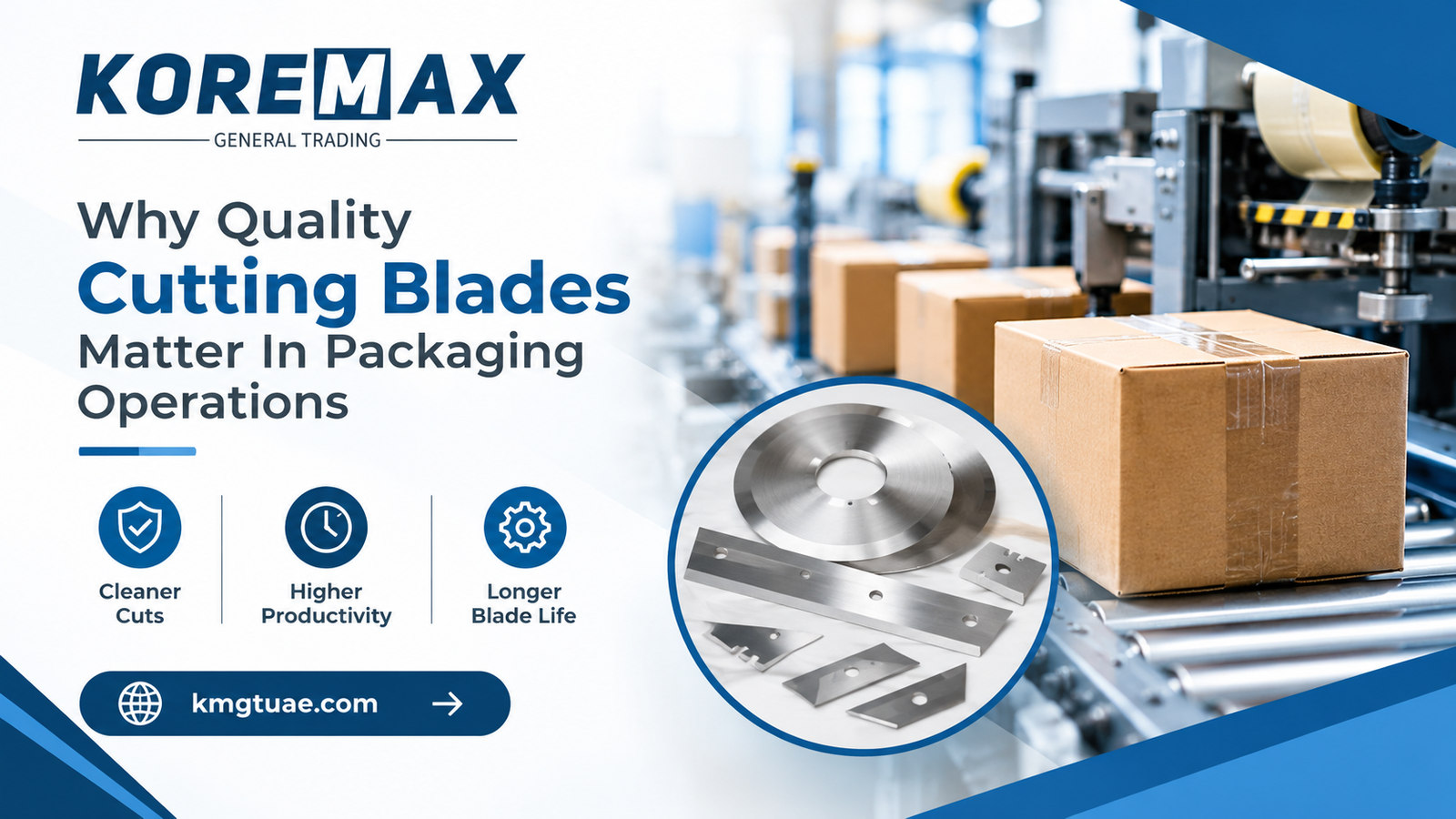
In packaging operations, a cutting blade is a small component with a direct effect on the production line. A blade that cuts inconsistently can slow machinery, damage packaging materials and create avoidable waste. For businesses handling high volumes, these small issues can quickly become expensive.
Using reliable cutting blades for packaging helps maintain clean cuts, consistent production and better control over material usage. Whether the operation involves films, foils, laminated paper, cartons or other packaging materials, blade quality should be treated as part of the production process – not an afterthought.
1. Less Downtime During Production:-
Packaging machinery often runs through repeated cutting cycles. A low-quality or unsuitable blade can lose sharpness quickly, requiring frequent replacement or adjustment.
High-quality industrial cutting blades made from suitable materials, such as specialty steel or tungsten carbide, can maintain their cutting performance through extended use. This reduces interruptions caused by premature blade changes and helps keep automated packaging equipment operating consistently.
For high-volume facilities, fewer unplanned stops can make a meaningful difference to overall productivity.
2. Lower Material Waste:-
A dull blade does not simply cut more slowly. It can damage the material being processed.
Poor-quality packaging cutting blades may create:
- Torn or uneven edges
- Burrs and frayed sections
- Inconsistent cut dimensions
- Damaged films, foils or laminated materials
- Higher numbers of rejected packages
These problems increase material consumption and create additional work for operators. Properly selected precision cutting blades produce cleaner cuts, helping businesses use packaging materials more efficiently.
3. Better Product And Seal Integrity:-
The quality of a cut can directly affect the finished package. In applications where packaging needs an accurate edge for sealing, an uneven or damaged cut may interfere with the sealing process. This is particularly important for food and medical packaging, where packaging integrity can affect freshness, protection and sterility.
Reliable blades provide the consistent cutting action needed to support accurate packaging processes. The result is greater control over the finished package and fewer defects caused by cutting problems.
4. Consistent Cutting At Higher Speeds:-
Modern packaging operations often depend on speed as well as accuracy. Increasing machine speed is only useful when the cutting process can maintain the required standard.
High-quality packaging cutter blades are manufactured for controlled, repeatable cutting. When the blade remains sharp and properly aligned, packaging machinery can maintain production speeds without creating unnecessary variation in edge quality or dimensions.
This makes blade selection especially important for automated and high-output packaging lines.
5. The Right Blade Depends On The Material:-
There is no single blade that suits every packaging application. The material being cut, thickness, machine type and required cut all influence the appropriate blade specification.
For example, carton cutting blades, cardboard cutting blades and box cutting blades may require different characteristics from blades designed for thin films or laminated packaging.
Before selecting a blade, consider:
- Material type and thickness
- Required cutting precision
- Machine speed
- Cutting frequency
- Blade dimensions and compatibility
- Expected service life
- Operating environment
Matching the blade to the application is just as important as choosing a high-quality blade.
6. Longer Service Life Can Reduce Operating Costs:-
The initial purchase price is only one part of the cost of a cutting blade. A cheaper blade that requires frequent replacement may ultimately cost more through downtime, labour and wasted material.
Heavy-duty cutting blades designed for demanding applications can provide longer service intervals when correctly matched to the equipment and material. Keeping suitable replacement cutting blades available can also help maintenance teams respond quickly when a blade reaches the end of its working life.
The objective is not simply to buy the most expensive blade. It is to select a blade that delivers the right combination of durability, precision and compatibility.
7. Reliable Blades Support Warehouse And Packaging Efficiency
Cutting is not limited to automated production lines. Warehouses and distribution facilities also use cutting tools for packaging tasks such as opening cartons, preparing materials and processing boxes.
For these applications, dependable warehouse cutting tools can help staff work efficiently while maintaining cleaner, more controlled cuts. Choosing suitable cutting tools for packaging also reduces the risk of relying on worn or unsuitable equipment for repetitive work.
Choosing Cutting Blades For Packaging Operations:-
Quality cutting equipment should be selected according to the complete application – not simply the lowest purchase price. Blade material, sharpness, compatibility, cutting speed and expected workload all influence performance.
For packaging businesses, investing in suitable packaging cutting blades can help reduce production interruptions, control material waste, maintain product integrity and support consistent output.
Koremax General Trading LLC supplies professional tools and industrial products for businesses across the UAE. For packaging, warehouse or general industrial requirements, speak with the team about the right cutting solution for your application.
Frequently Asked Questions
Why Are Quality Cutting Blades Important In Packaging?
They help maintain clean cuts, reduce material waste, minimise downtime and support consistent packaging quality.
What Causes Packaging Blades To Wear Quickly?
Frequent cutting, unsuitable blade specifications, abrasive materials, excessive machine speed and incorrect maintenance can accelerate wear.
Are Heavy Duty Cutting Blades Better?
They can be a better choice for demanding, high-volume applications where durability and longer service life are important.
How Do Cutting Blades Reduce Packaging Waste?
Sharp, properly selected blades create cleaner and more consistent cuts, reducing tearing, damaged edges and rejected packaging.
How Should Replacement Cutting Blades Be Selected?
Check the machine compatibility, blade dimensions, material being cut, required precision and expected operating conditions before purchasing.