

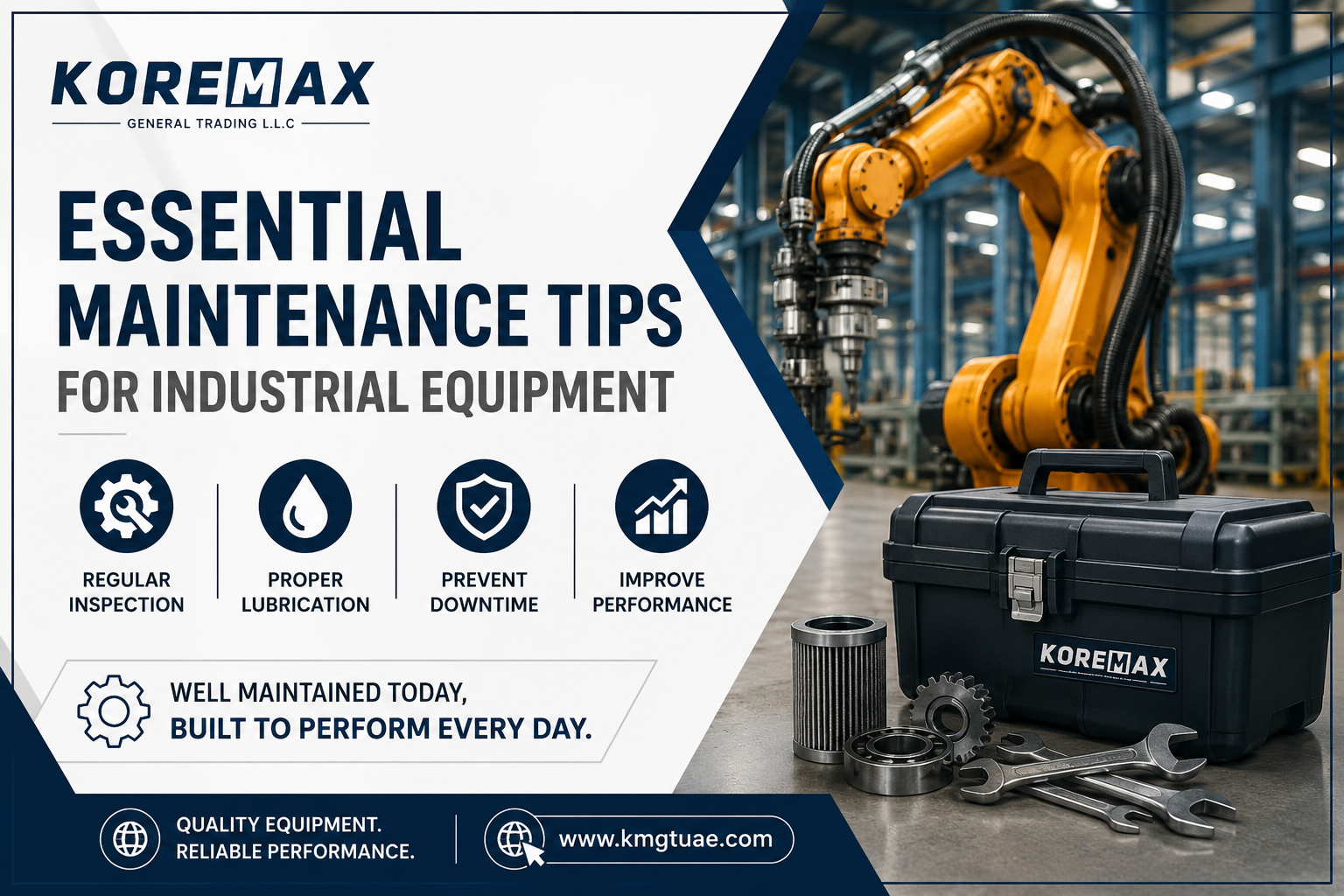
Proper Maintenance Tips for Industrial Equipment can make the difference between reliable daily performance and unexpected downtime. Whether you operate a warehouse, construction site or manufacturing facility, regular maintenance keeps equipment running safely and efficiently. From pallet truck maintenance and platform trolley inspection to scheduled commercial equipment servicing, a proactive approach reduces repair costs, improves equipment lifespan, and keeps warehouse operations moving without interruption.
Why Preventive Maintenance Matters?
Waiting until equipment fails is rarely cost-effective. A planned preventive maintenance programme helps identify minor issues before they develop into expensive repairs or safety hazards.
Regular maintenance offers several long-term benefits:
- Reduces unexpected breakdowns.
- Improves operational efficiency.
- Extends equipment lifespan.
- Enhances workplace safety.
- Lowers repair and replacement costs.
For businesses in the UAE, preventive maintenance is even more important due to high temperatures, dust and humidity, which can accelerate wear on industrial machinery.
Keep Equipment Clean to Reduce Wear:-
Dust and debris are among the biggest causes of equipment failure. Fine particles can enter moving components, clog ventilation systems and increase friction, leading to overheating and unnecessary wear.
Good warehouse equipment care starts with simple cleaning routines. Wipe down machinery after each shift, remove accumulated dust from vents and moving parts, and keep storage areas clean to prevent contaminants from affecting equipment performance.
Where possible, store machinery indoors or use breathable protective covers when equipment is not in use.
Inspect Pallet Trucks Regularly:-
Routine pallet truck maintenance helps prevent operational delays and improves workplace safety. Since pallet trucks are used daily in many warehouses, they require frequent inspections to remain reliable.
Check for:
- Worn wheels and rollers.
- Hydraulic fluid leaks.
- Damaged forks.
- Loose handles or controls.
- Smooth lifting and lowering operation.
Addressing small issues early helps avoid more expensive repairs and keeps material handling activities running efficiently.
Carry Out Platform Trolley Inspection:-
A regular platform trolley inspection is equally important, particularly in busy warehouses where trolleys transport goods throughout the day.
Inspect the frame for cracks, ensure castor wheels rotate freely, tighten loose fasteners and confirm that braking systems function correctly where fitted. Damaged trolleys should be repaired or removed from service immediately to reduce the risk of workplace accidents.
Monitor Lubrication and Fluid Levels:-
Proper lubrication is essential for extending equipment lifespan. Moving parts generate friction, and without adequate lubrication, components wear out much faster.
Follow the manufacturer’s maintenance schedule for applying grease and lubricants to bearings, joints and rotating parts. At the same time, regularly check hydraulic oil, engine oil and coolant levels where applicable.
Using the correct lubricants also improves equipment efficiency and reduces unnecessary strain on mechanical systems.
Schedule Commercial Equipment Servicing:-
Professional commercial equipment servicing helps identify hidden issues that may not be visible during daily inspections. Qualified technicians can test critical components, replace worn parts and ensure machinery continues to operate within manufacturer specifications.
Businesses should create servicing schedules based on equipment usage rather than waiting for faults to appear. High-use machinery often requires more frequent inspections than equipment used occasionally.
Maintaining detailed service records also makes it easier to monitor repair history and plan future maintenance.
Perform Daily Equipment Inspections:-
Simple daily inspections can prevent many operational problems before they interrupt work. Operators should check equipment before each shift by looking for visible damage, loose bolts, worn hoses, leaks or unusual signs of wear. Listening for abnormal noises or excessive vibration can also help identify developing mechanical issues.
Encouraging employees to report problems immediately supports safer warehouse operations and reduces the likelihood of unexpected equipment failure.
Use Genuine Replacement Parts:-
When repairs are required, always choose genuine replacement components recommended by the equipment manufacturer. Although lower-cost alternatives may seem attractive, poor-quality parts often wear faster and can affect overall equipment performance.
Using approved parts helps maintain reliability, protects warranties and contributes to longer equipment service life.
Organise Maintenance with a Preventive Plan:-
As businesses grow, managing maintenance manually becomes more difficult. Many companies now use digital maintenance systems to schedule inspections, record repairs and monitor servicing intervals.
A structured preventive maintenance programme ensures that no equipment is overlooked. It also helps maintenance teams plan workloads, manage spare parts inventory and minimise operational disruption.
Businesses relying on material handling solutions such as pallet trucks, platform trolleys and other warehouse equipment benefit significantly from consistent maintenance planning.
Keep Your Equipment Performing at Its Best:-
Reliable equipment supports productivity, workplace safety and business growth. Following these practical Maintenance Tips for Industrial Equipment helps reduce costly breakdowns, extend equipment lifespan and improve day-to-day warehouse operations.
From routine pallet truck maintenance and platform trolley inspection to professional commercial equipment servicing, investing in regular warehouse equipment care delivers long-term value. At Koremax General Trading LLC, businesses across the UAE can access dependable industrial and material handling solutions designed to support efficient operations for years to come.
FAQs
Q1: Why is preventive maintenance important?
It reduces breakdowns, improves safety and extends equipment lifespan.
Q2: How often should pallet trucks be inspected?
Daily visual checks and regular scheduled maintenance are recommended.
Q3: Why is equipment cleaning necessary?
Cleaning prevents dust build-up, overheating and premature wear.
Q4: Do genuine spare parts improve equipment life?
Yes, they ensure reliable performance and help maintain manufacturer standards.